
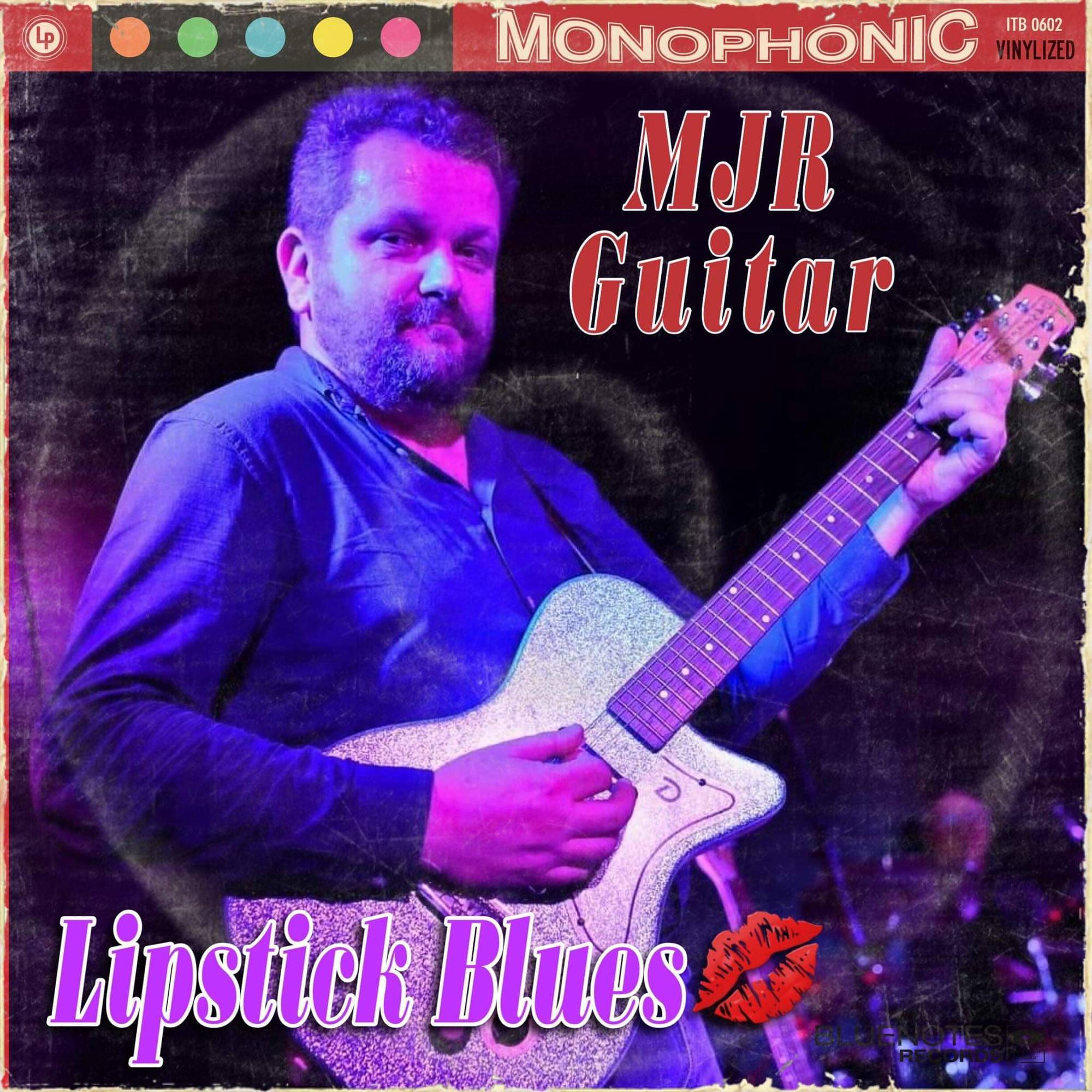
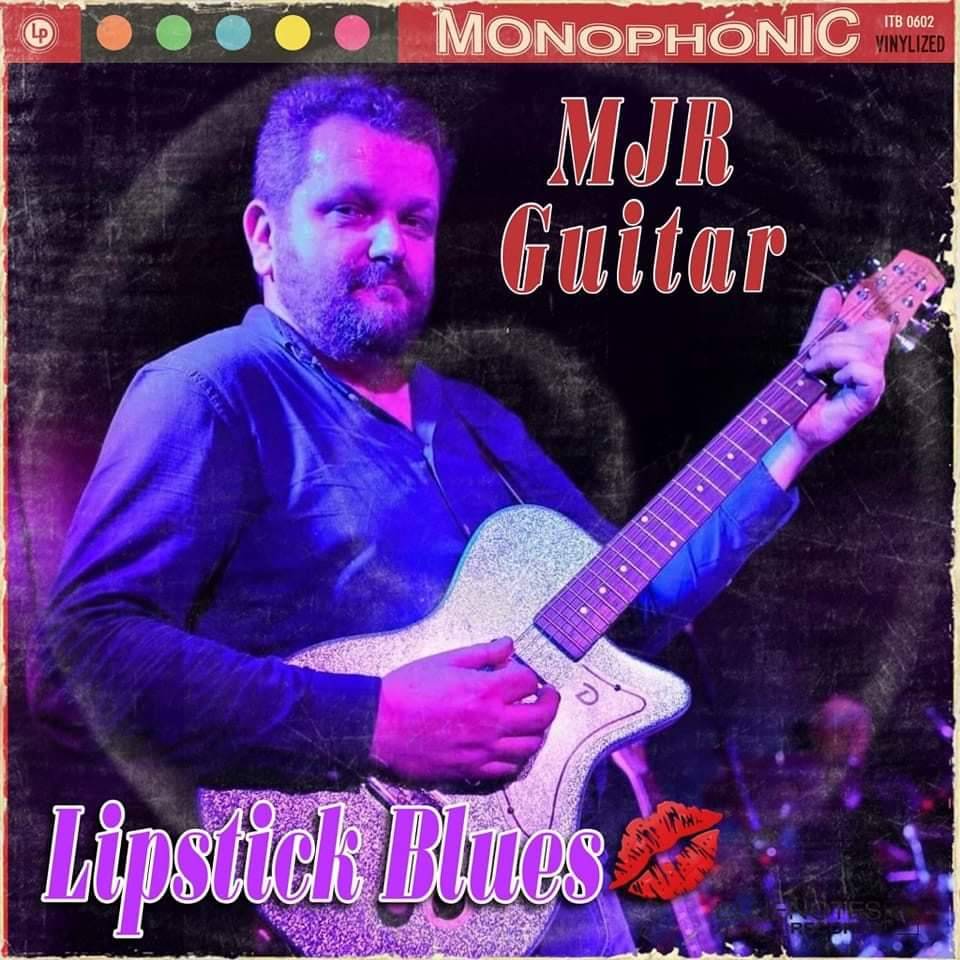
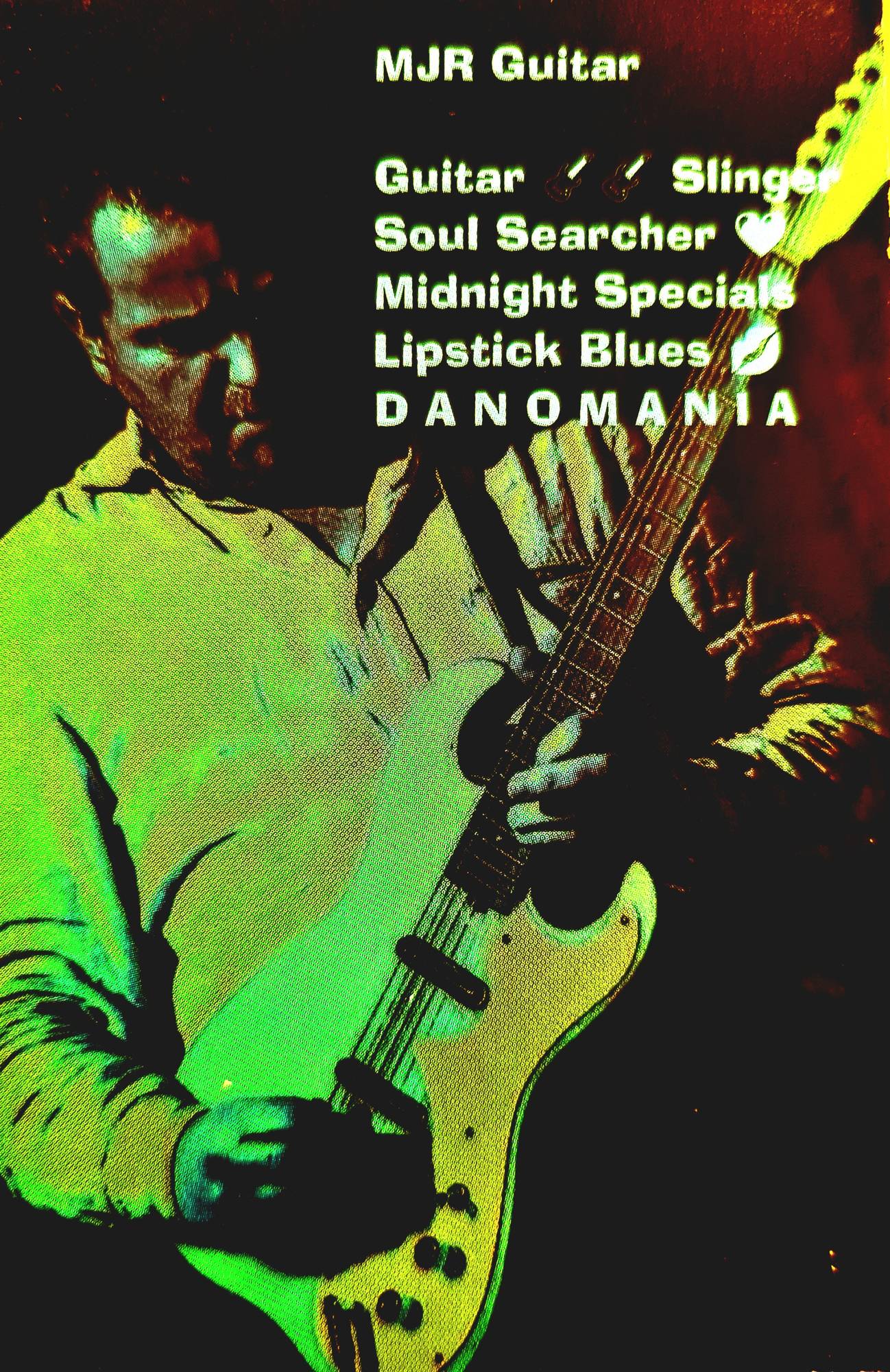
MJR Guitar
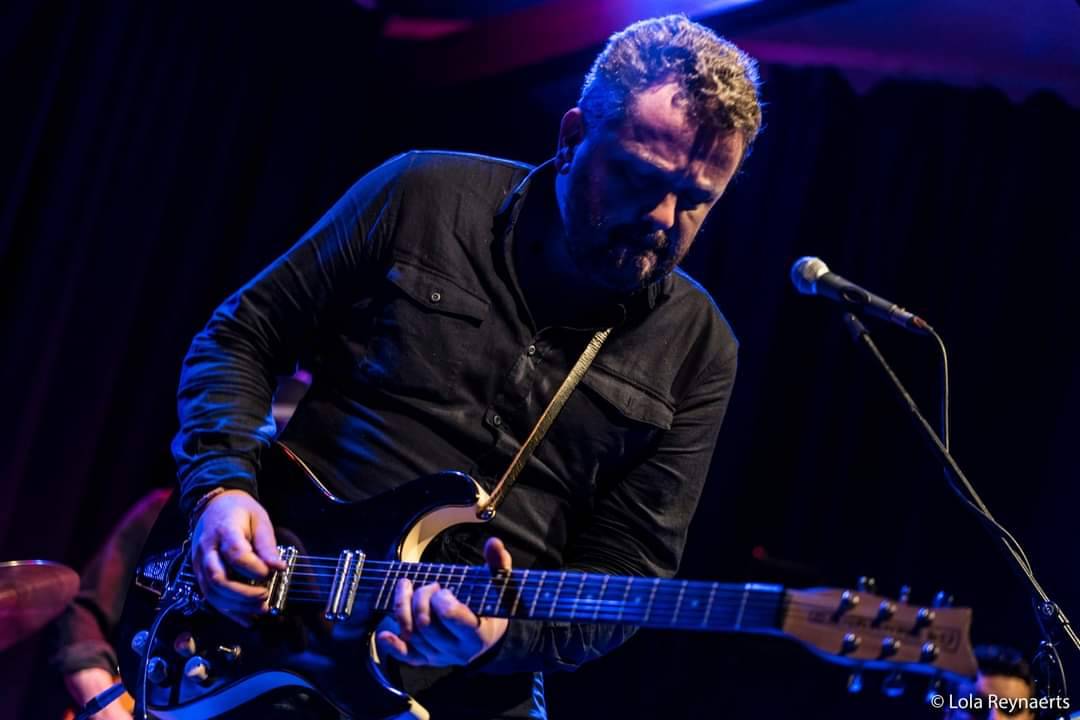
Guitar 🎸🎸 Slinger / Soul Searcher 💙 / Midnight Specials / Lipstick Blues 💋 / D A N O M A N I A
Bio
MJR Guitar : Born in Bilzen on Nov. 21st 1970 as Marc Johan Robert Lormans and raised in a small village Beverst-Bilzen in the province Limburg, Belgium (BE) as the last born in a working-class family together with three older sisters...
My father worked as a maintenance technician in a nearby automotive factory and played a little bit guitar at home, he sparked my interest in technical stuff, electronics and music and I started to build my own transistor radios and amplifiers at an early age, I graduated in electronics and designed/repaired/modified my own stereo amplifiers, electric guitars, guitar amps and guitar effects in the basement of my parents' house where we had a small electronics lab for testing/experimenting/repairs.
At the age of 10, I started to follow music lessons and became a trumpet player in the local harmony, a few years later I took over the classical guitar and the folk guitar of my dad and completely switched to electric guitar around the age of 16, I didn't take any guitar lessons but taught myself while listening and playing along with records.
My first blues record was a gift from my brother in law, it was The Official Blues Band "Bootleg" Album in a white paper sleeve from The Blues Band released in 1980, this record really got me hooked on British and American rhythm & blues music. My first influences were The Blues Band, Eric Clapton with John Mayall's Bluesbreakers, The Yardbirds, Derek & The Dominoes, The Cream, Snowy White, Peter Green's Fleetwood Mac, Santana, Jimi Hendrix, Albert King, B.B. King, Freddie King, Earl King, Lonnie Johnson, Robert Jr. Lockwood, T-Bone Walker, Johnny Guitar Watson, Buddy Guy, Otis Rush, Magic Sam, Albert Collins, Robert Cray, Johnny Copeland, John Lee Hooker, Earl Hooker, Muddy Waters, The Fabulous Thunderbirds, JLV, SRV, The Vaughan Brothers, Denny Freeman, Derek O’Brien, Anson Funderburgh, Duke Robillard, Roomful Of Blues, Hollywood Fats, Junior Watson, but when I discovered the spellbinding intensity, soulfulness & transcendence of blues guitar virtuoso RONNIE EARL aka “Mr. Intensity” I was completely blown away...Ronnie is one of the most sensitive, refined and exquisite guitarists on this planet, he's my biggest source of inspiration.
My musical journey was just beginning and I started to collect as much as possible records and dug deeper and discovered the musical roots of this rhythm & blues and how all the different music genres were linked to this roots music, I got very interested in instrumental music, surf, indie, rock & roll, rockabilly, jump, swing, country, jazz, funk, soul and gospel music.
Around 1988 I started to rehearse with friends from school and founded my first blues band : THE JITTERBUGS (BE), this band became very popular in the early Nineties and we played until 1995 on many blues festivals and blues clubs all over the Benelux.
From 1995 until 2008 I left the blues scene, during this period I started to work for an international paint company, settled down in Tongeren, I played only guitar at home or took my guitar with me on international business trips all over Europe...Have Guitar Will Travel.
Around 2008 the inner urge to play again live blues music became very strong and I couldn't resist it anymore, so I grabbed my Telecaster and visited regularly some local jam sessions in Maastricht, Aachen and Liège, as a result, I reunited with members from my first blues band The Jitterbugs to do a few concerts in 2010-2012 as DIFFERENT TACOS (BE), this was a tribute band and we played music from the early period of The Fabulous Thunderbirds.
From 2013-2016 I've played with a blues band SHADES OF BLUES (BE) that was formed with musicians from multiple jam sessions in a blues club in Liège.
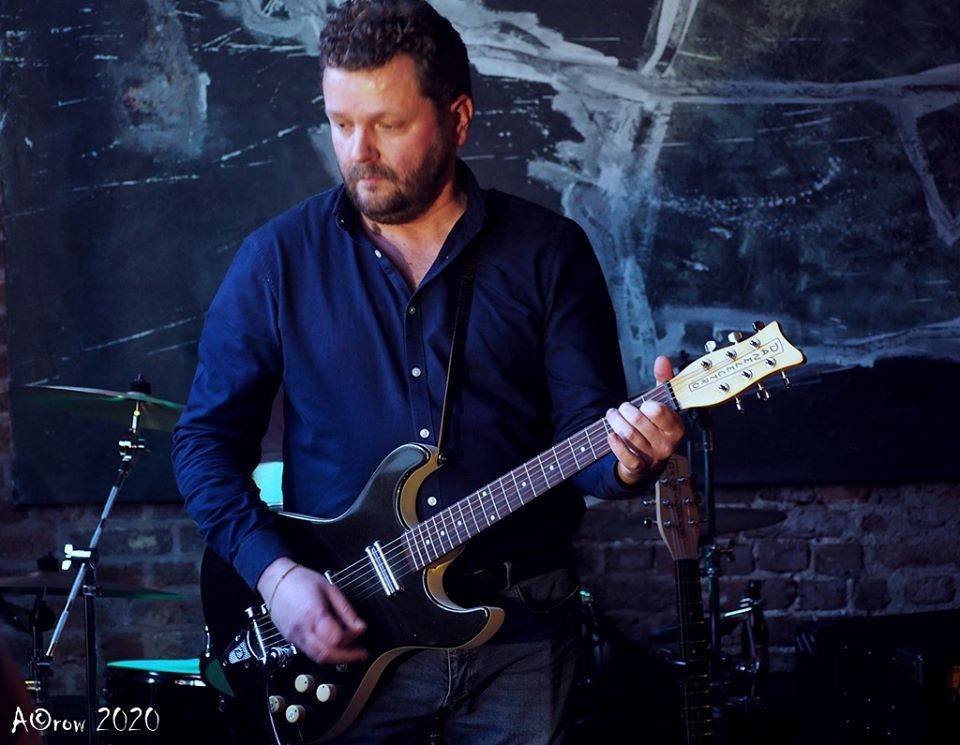
From 2017 until 9 February 2020 I've played with the soulful blues band EXTRA NAPKINS (BE) that I founded with former members of The Nightcrawlers, Are & Be, Blues Jungle, Tollos, The Belvederes, The Jitterbugs, Different Tacos and Shades Of Blues.
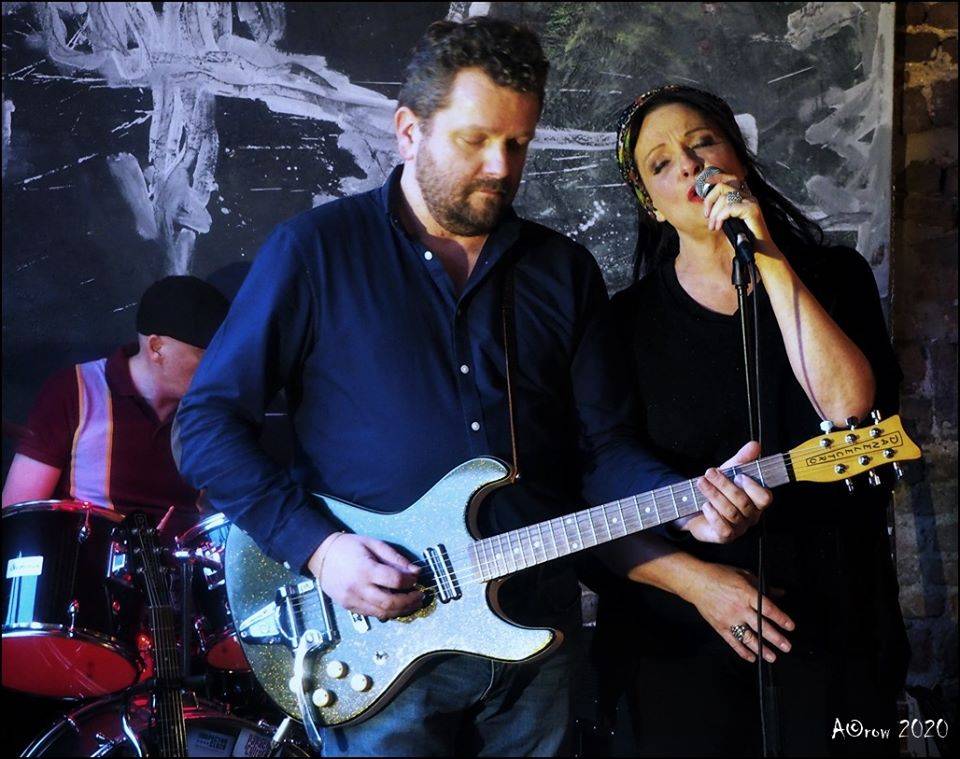
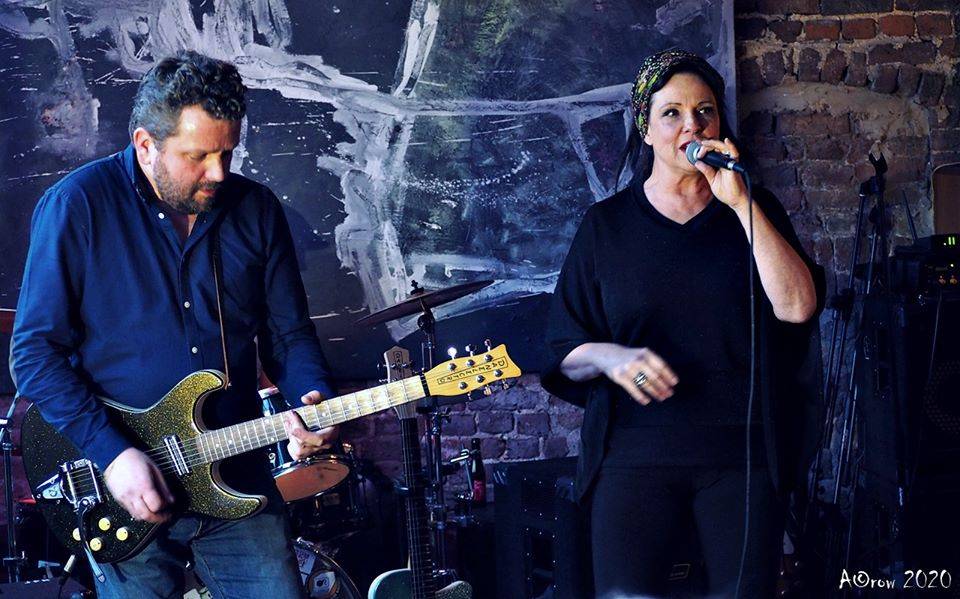
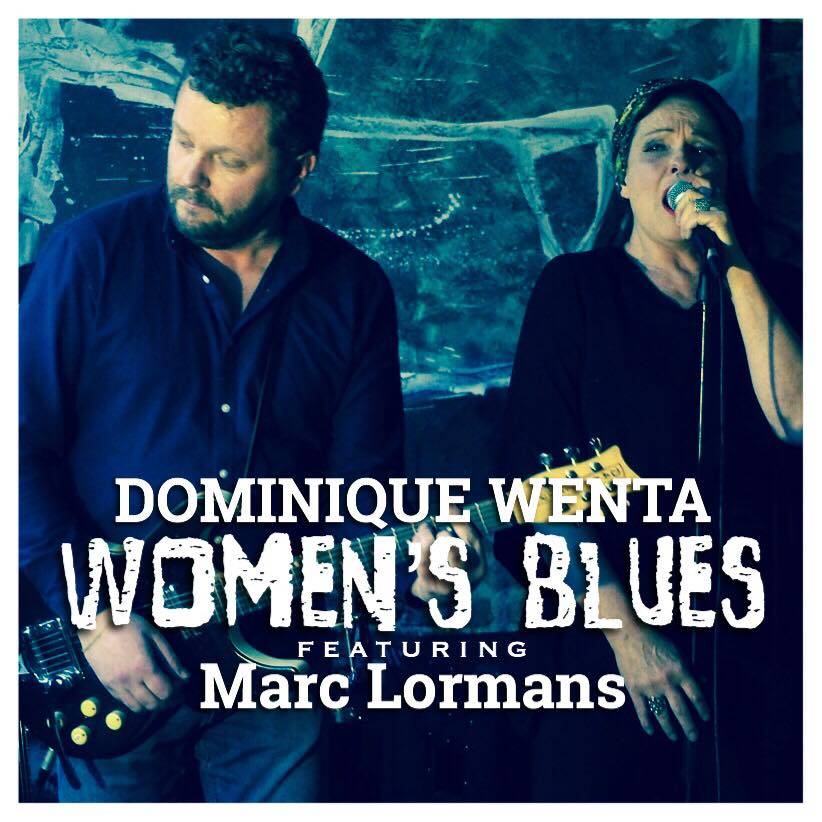
From end 2019 until March 13th 2020 I've joined the blues band WOMEN'S BLUES (FR/BE), an international music group formed by Dominique Wenta (FR) with musicians from multiple jam sessions (BE), we played classic blues standards of female blues singers.
During and after the COVID crisis from March 2020 until July 2024 I mainly played at local blues jam sessions and did a few improvised concerts in 2023 and 2024 with a jam session band IMPROMPTU BLUES aka LES IMPROMPTUS (BE)
From August 2024 until September 20th 2025 I've played with THE FAST FOOD KINGS (BE), this is a Roots & Blues Band, baptised by Howlin' Wolf in the Muddy Waters. These gentlemen from Tienen and Leuven were looking for a new guitar player and invited me to do a try-out on August 6th 2024 in their rehearsal room in Vissenaken and on September 28th 2024 I already played my first live gig in Geleen (NL) at Backdoor Bluesnight.
From October 2025 onwards the lyrics of the John Lee Hooker song "Blues Is The Healer" made a deep emotional impact 💙
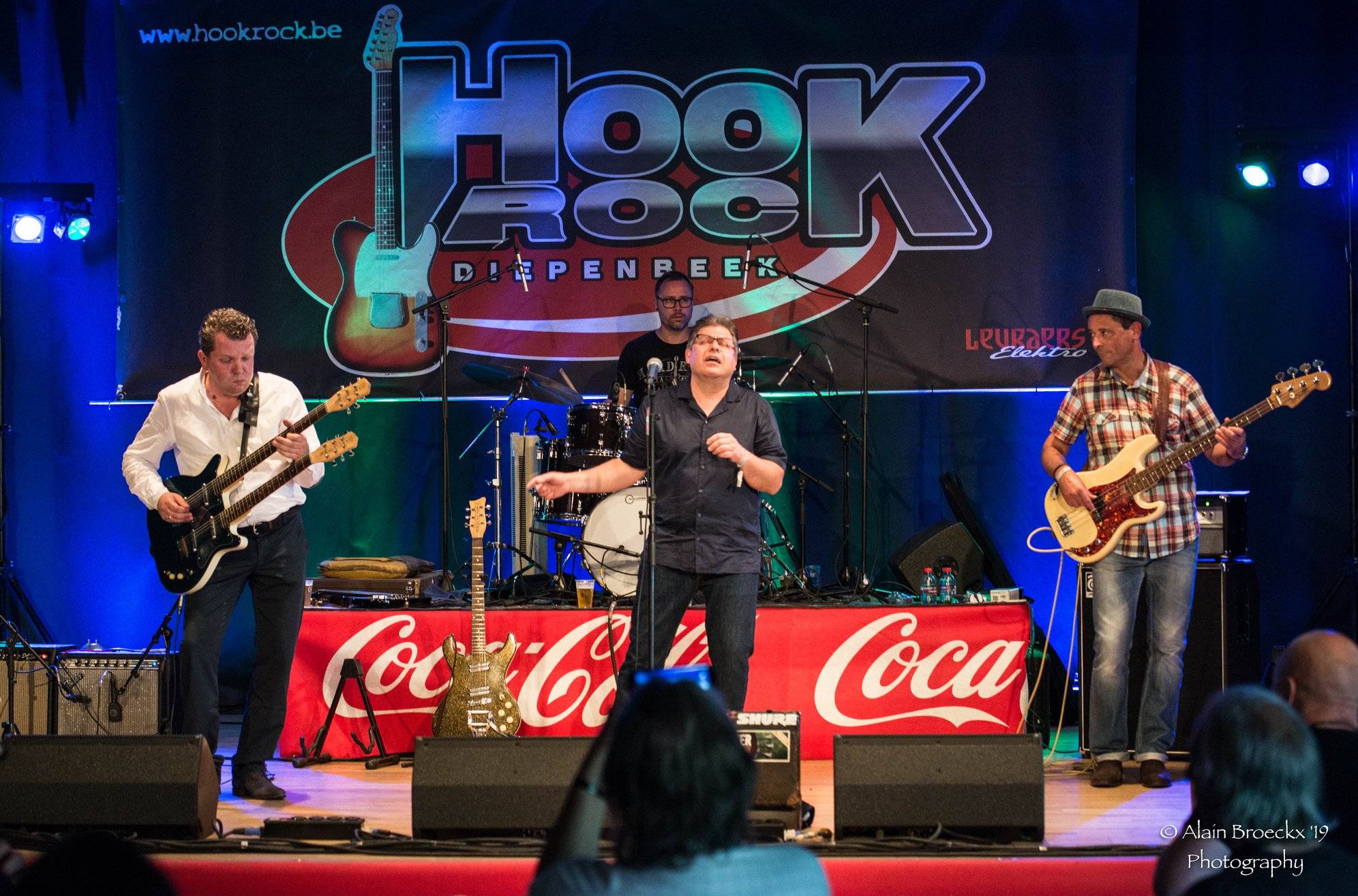
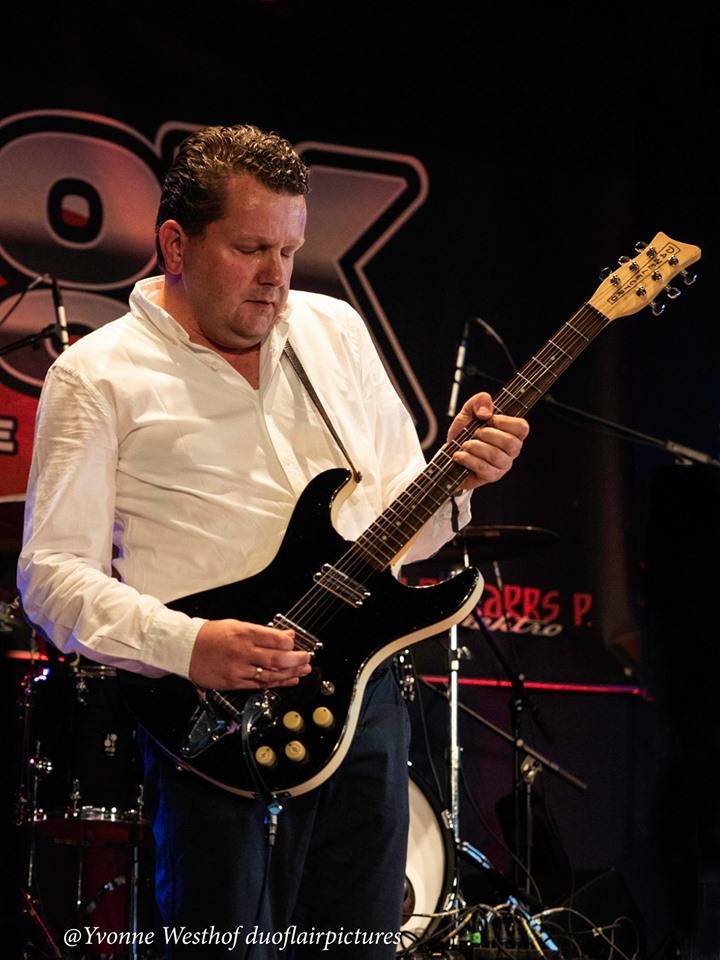
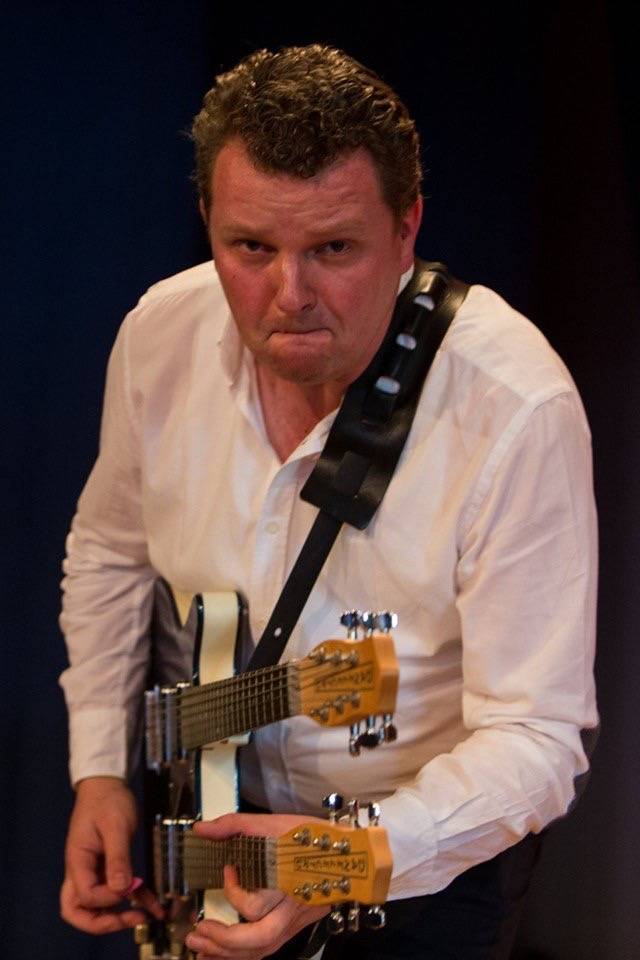
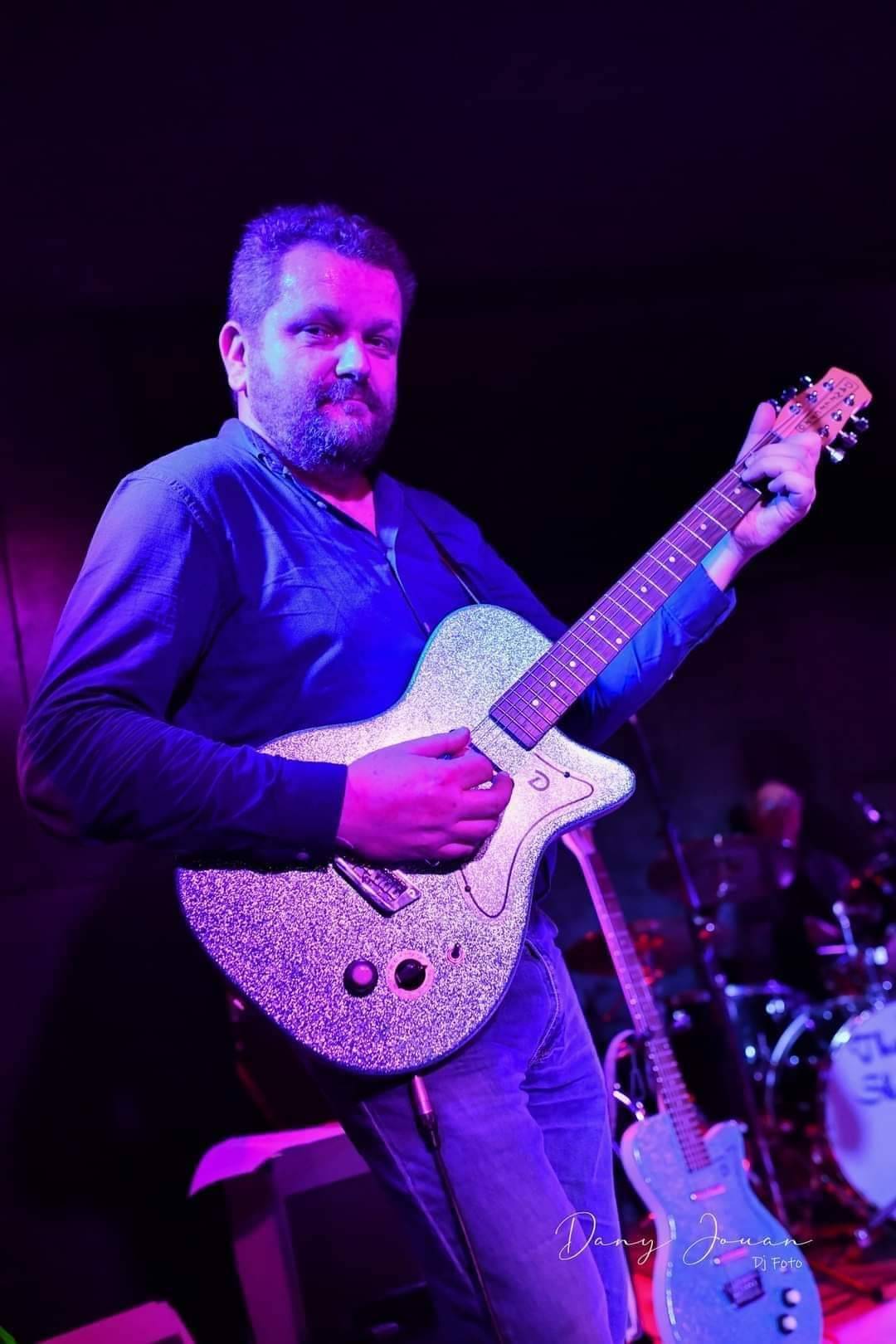
It's "Healing Time" and I'm resourcing and preparing myself for future blues adventures with my Danelectro Doubleneck Baritone Guitar + Shure SM58 Mic + Fender Vibrosonic Reverb Amp...Less Is More...The Maxwell Street Setup 🎸🎸🎤🔈
GUITARS : during my formation years I only used Fender guitars, first Stratocasters and later Telecasters, during my jump/swing/jazz period I customized a Fender Telecaster with 3 P90 pickups, the wiring was based on a Gibson ES-5 Switchmaster, I switched to a 1960 Gibson ES-330-TD (Grant Green's axe), and finally an Epiphone Zephyr Blues Deluxe and an Epiphone Riviera Custom Royale P93 all equipped with P90 pickups, after a while, I returned to the classic electric blues and also to the twang and bite of the Fender Telecaster.
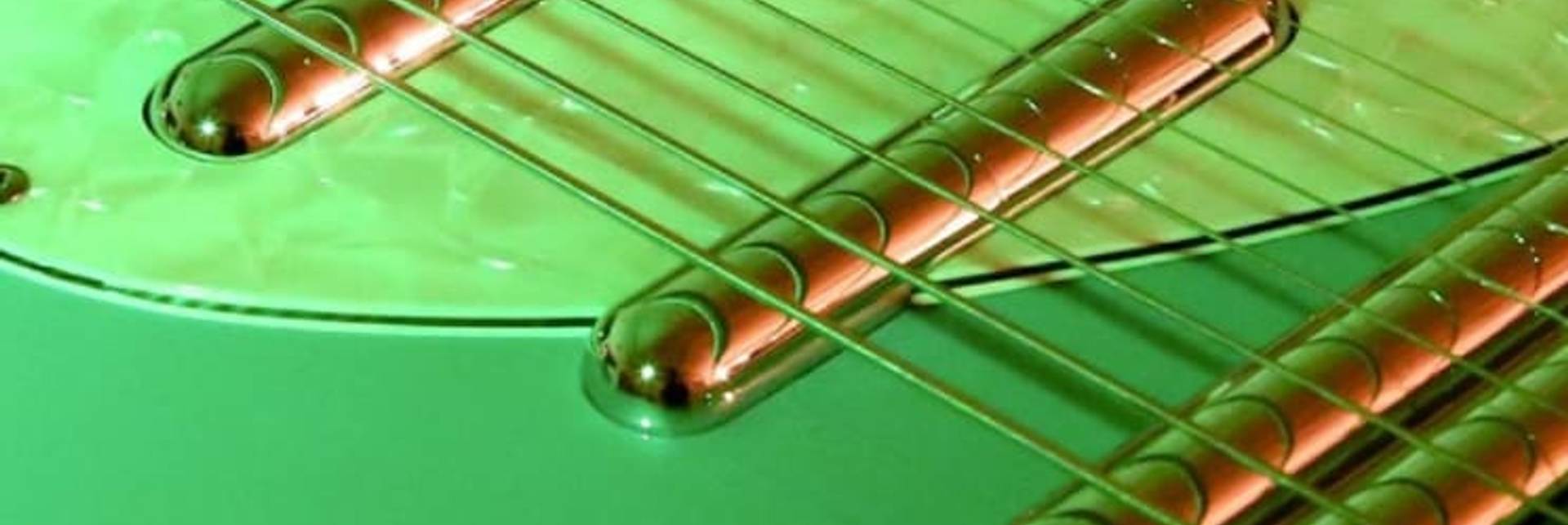
D A N O M A N I A : Around 2008 I've found my first Danelectro guitar second hand (1998 first reissue series Danelectro 56-U2) and got instant Danelectro Mania.
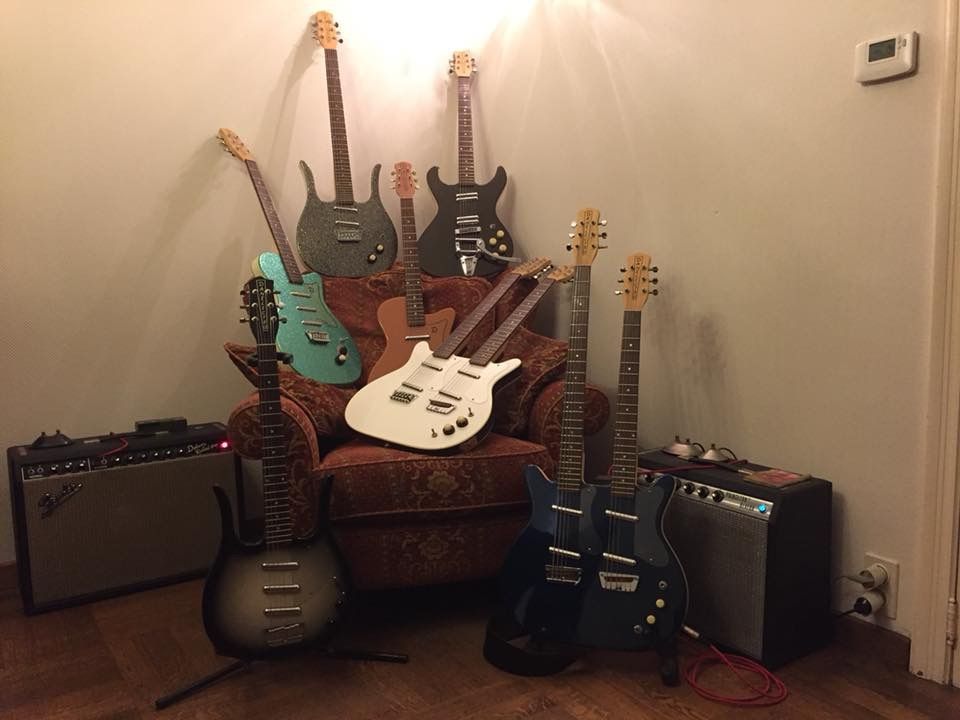
Meanwhile, I have 9 Korean made Danelectro guitars (Evets Corporation) and 4 Indonesian made Silvertone guitars (Samick) and 1 Chinese made Kay guitar in my G.A.S. lipsticks galore collection :
- 1) Danelectro 56-U2 Guitar Cool Copper (1998) *
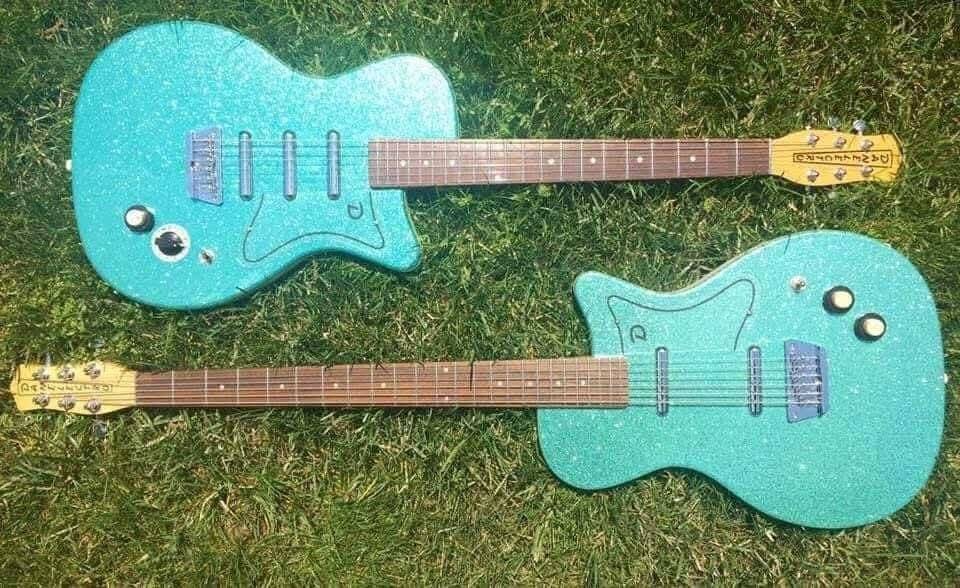
- 2) Danelectro 56-U2 Six-String Bass Turquoise Metalflake (2000) *
- 3) Danelectro 56-U3 Guitar Turquoise Metalflake (2000)
- 4) Danelectro Longhorn Guitarlin Black Metalflake (2000)
- 5) Danelectro Longhorn Guitar Blackburst (2006-2007) **
- 6) Danelectro Doubleneck Baritone/Guitar Light Blue Pearl (2000) *
- 7) Danelectro Doubleneck 12/6 White Pearl (2000) *
- 8) Danelectro Hodad with Danelectro Tremolo Black Gold Pearl (2000)
- 9) Danelectro Hodad without Danelectro Tremolo Violet Pearl (2000)
- 10) Silvertone 1303 Silverburst (2013)
- 11) Silvertone 1449 Daphne Blue (2014) ***
- 12) Silvertone 1303 Black (2019)
- 13) Silvertone 1449 Red Silver Flake Burst (2020)
- 14) Kay Thin Twin K161V-CS Cherry Sunburst (2008) ****
I really dig these Danelectro, Silvertone & Kay guitars for their unique sound, retro looks and very good playability. As a result, I hardly use my Fender, Gibson & Epiphone guitars anymore...maybe I'll start selling them to buy even more Danelectro, Silvertone & Kay guitars.
* I've modified the wiring on both the Danelectro Cool Copper 56-U2 Guitar and Turquoise Metalflake 56-U2 Six-String Bass and also on both the Light Blue Pearl Doubleneck Baritone/Guitar and on the White Pearl Doubleneck 12/6, when both pickups are selected I've custom wired them series Power-Out-Of-Phase (POOP) instead of the standard series in phase, simple but great mod for blues.
** I’ve completely rewired the Danelectro Blackburst Longhorn Guitar, it was originally wired as a Stratocaster via a cheap plastic Asian 5-way switch and master volume + treble bleed cap and regular master tone + tone cap on all 5 positions, I’ve replaced the 5-way switch with a Fender 5-way super switch and replaced the volume & tone pots with 2x500kOhm Audio Taper push/pull pots, thanks to a customised wiring diagram I can get all possible series and all possible parallel pickup combinations and also the neck pickup only and the bridge pickup only, unfortunately, the middle pickup only is missing, furthermore I can switch the neck pickup out of phase to achieve in total 16 different pickup combinations, I’ve also used 50’s wiring on the master volume (no treble bleed cap needed anymore) and a regular master tone + 0,1µF tone cap, when I’m playing with 2 or 3 Lipsticks wired in series I get more output and a fatter tone.
*** The Silvertone 1449 Daphne Blue got some full reversible modifications and here's a very detailed description for the 🎸nerds :
I replaced the 2 dual stacked concentric Vol/Tone pots (2x500 kOhm Audio Taper) with 2 single Vol/Tone push/pull pots (500 kOhm Audio Taper) and applied "50's Wiring" in combination with a custom wiring diagram to enable phase switching on the Neck Lipstick Pickup via the Vol push/pull pot and series/parallel switching on both Lipstick Pickups via the Tone push/pull pot.
I had to disconnect the shielding of the pickup cables at the grounding point (hidden between the black foam and the bottom plate of each Lipstick Pickup) and installed extra grounding wires from both Lipstick Pickups to the central grounding point in the guitar to ensure proper grounding and shielding.
As a result this Silvertone 1449 has now improved Vol/Tone controls without the "Vol vs Treble Syndrome" and I can get all 6 possible Pickup combinations :
- 1) Neck Pickup
- 2) Neck & Bridge Pickup parallel
- 3) Neck & Bridge Pickup parallel Out-Of-Phase (OOP)
- 4) Neck & Bridge Pickup series Power-Out-Of-Phase (POOP)
- 5) Neck & Bridge Pickup series
- 6) Bridge Pickup
These series Power-Out-Of-Phase & parallel Out-Of-Phase Lipstick Pickup combinations produce a very "LICKED" 😘 sound, it's a "QUACKY" blues tone 😎
There are 3 types of Out-Of-Phase :
- 1) Out-Of-Phase (OOP) : two pickups of any kind wired in parallel, where the phase of one pickup is (electronically or magnetically) reversed, phase shift = 180°, the sound is very thin and nasal.
- 2) Half-Out-Of-Phase (HOOP) : the same two pickups but the one wired reverse phase has a 0,01 uF capacitor in series, phase shift = 90°, the sound is less thin and less nasal.
- 3) Power-Out-Of-Phase (POOP) : two pickups of any kind wired in series instead of parallel, and one being reverse phased, phase shift = 180°, the sound is less thin and very nasal.
FENDER AMPS : during the late Eighties I started to collect and repair old Silverface, Blackface, Brownface, Blond and Tweed Fender amps, I worked for a while as a tube amp service technician in Tongeren and restored them all back to their full glory, these days I mainly use my 1979 Silverface Princeton Reverb loaded with a JBL E110 speaker and my 1965 Blackface Deluxe Reverb loaded with a JBL D120F speaker, both amps are running with GZ34/5AR4 rectifier tubes for less compression and 6L6/5881 power tubes for more clean headroom, the result is awesome : tight bass, crisp midrange, brilliant highs and more volume...at home I rehearse with a 1978 Silverface Vibro Champ and a 1976 Silverface Tube Reverb to keep the volume down.
EFFECTS : at home I experiment from time to time with old Japanese Boss/Roland effect pedals, live I only use the onboard reverb & tremolo effects of my Fender SFPR & BFDR amps and sometimes I put my Fender Silverface Tube Reverb in front of my amp(s) to get an incredible lush "cascading" R E V E R B E R A T I O N...Less Is More...
Guitar 🎸🎸 Slinger
Soul Searcher 💙
Midnight Specials
Lipstick Blues 💋
D A N O M A N I A
Afbeeldingen

Video’s
Groepsleden
-
MJR Guitar
- 55
-
Tongeren-Borgloon
Gitaar - Guitarlin, Baritone, Six-String Bass
Contact
Je moet ingelogd zijn om MJR Guitar te kunnen contacteren. Inloggen.